

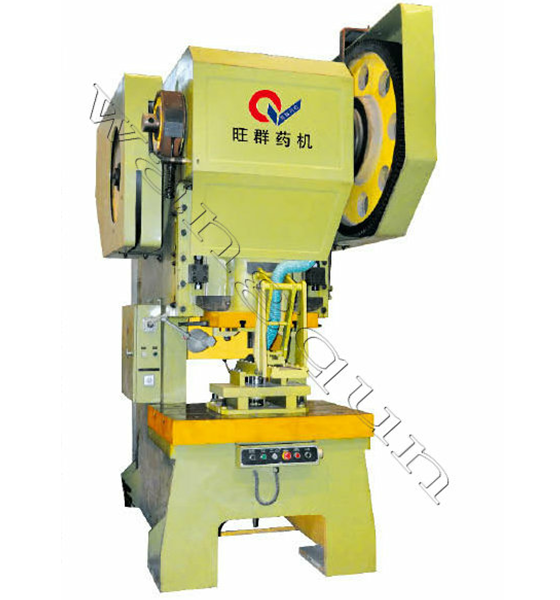
Spare Parts Procurement and Replacement Tips for Disinfection Tablet Presses
Introduction
Disinfection tablet presses are essential machines in industries such as pharmaceuticals, water treatment, and chemical manufacturing. These machines compress powdered disinfectants into solid tablets for easy storage, transportation, and usage. Like any mechanical equipment, tablet presses require regular maintenance, including spare parts replacement, to ensure optimal performance and longevity.
This guide provides comprehensive tips on spare parts procurement and replacement for disinfection tablet presses. It covers key considerations when sourcing parts, common components requiring replacement, and best practices for installation and maintenance.
---
1. Key Considerations for Spare Parts Procurement
1.1. Compatibility and Specifications
Before purchasing spare parts, verify their compatibility with your tablet press model. Key specifications to check include:
- Machine model and serial number – Ensures the part fits correctly.
- Material composition – Parts should be corrosion-resistant (e.g., stainless steel) to withstand disinfectant chemicals.
- Dimensional accuracy – Incorrect sizes can lead to machine malfunctions.
1.2. Quality and Certification
- Manufacturer reputation – Purchase from trusted suppliers with proven reliability.
- Certifications – Look for ISO, CE, or FDA compliance, especially for pharmaceutical-grade tablet presses.
- Material testing reports – Ensure parts meet industry standards for durability and chemical resistance.
1.3. Lead Time and Availability
- Stock availability – Some parts may have long lead times; keep critical spares in inventory.
- Supplier reliability – Choose vendors with a track record of timely deliveries.
1.4. Cost vs. Longevity
- Avoid cheap, low-quality parts – They may fail prematurely, increasing downtime and repair costs.
- Consider OEM vs. aftermarket parts – Original Equipment Manufacturer (OEM) parts guarantee fit and performance, while high-quality aftermarket alternatives can be cost-effective.
---
2. Common Spare Parts Requiring Replacement
2.1. Punches and Dies
- Function: Compress powder into tablets.
- Wear signs: Chipping, scoring, or excessive wear on surfaces.
- Replacement frequency: Every 50,000–100,000 cycles, depending on material hardness.
- Tips:
- Use hardened steel or carbide-coated punches for longer life.
- Regularly inspect for cracks or deformation.
2.2. Turret and Cam Tracks
- Function: Rotate punches for compression.
- Wear signs: Uneven tablet thickness, increased noise, or misalignment.
- Replacement frequency: Every 2–5 years, depending on usage.
- Tips:
- Lubricate regularly with food-grade grease.
- Check for wear in cam tracks to prevent punch misalignment.
2.3. Pressure Rollers
- Function: Apply compression force to punches.
- Wear signs: Flat spots, grooves, or reduced tablet hardness.
- Replacement frequency: Every 1–3 years.
- Tips:
- Ensure proper alignment to avoid uneven wear.
- Use rollers with hardened surfaces for durability.
2.4. Feed Systems (Hopper, Feeder Paddle, Scraper Blades)
- Function: Distribute powder evenly into dies.
- Wear signs: Poor tablet weight consistency, powder leakage.
- Replacement frequency: Every 6–12 months.
- Tips:
- Clean after each use to prevent material buildup.
- Replace worn scraper blades to avoid uneven filling.
2.5. Seals and Gaskets
- Function: Prevent powder leakage and contamination.
- Wear signs: Cracks, brittleness, or leaks.
- Replacement frequency: Every 6–12 months.
- Tips:
- Use chemical-resistant materials (e.g., silicone, PTFE).
- Replace during scheduled maintenance to avoid unexpected failures.
2.6. Electrical and Control Components
- Function: Power and control tablet press operations.
- Wear signs: Faulty sensors, erratic machine behavior, or electrical failures.
- Replacement frequency: As needed.
- Tips:
- Keep spare sensors and relays in stock.
- Regularly check wiring for corrosion or damage.
---
3. Best Practices for Spare Parts Replacement
3.1. Scheduled Preventive Maintenance
- Follow manufacturer guidelines for part replacement intervals.
- Keep a maintenance log to track part lifespans and predict failures.
3.2. Proper Installation Techniques
- Use correct tools (torque wrenches, alignment gauges) to avoid improper fitting.
- Calibrate after replacement – Ensure punches, dies, and rollers are aligned.
3.3. Training for Technicians
- Provide hands-on training for safe and efficient part replacement.
- Document procedures to standardize maintenance across shifts.
3.4. Inventory Management
- Maintain a critical spare parts inventory to minimize downtime.
- Use a first-in-first-out (FIFO) system to prevent part degradation.
---
4. Troubleshooting Common Replacement Issues
4.1. Tablet Weight Variation After Replacement
- Possible causes: Misaligned punches, worn feeder system.
- Solution: Recheck alignment and recalibrate the feed mechanism.
4.2. Excessive Noise or Vibration
- Possible causes: Worn bearings, loose components.
- Solution: Tighten bolts and replace damaged bearings.
4.3. Leakage or Contamination
- Possible causes: Damaged seals, improper gasket installation.
- Solution: Replace seals and ensure proper seating.
---
5. Conclusion
Efficient spare parts procurement and replacement are crucial for maintaining the performance and reliability of disinfection tablet presses. By selecting high-quality, compatible components and following best practices for installation and maintenance, operators can minimize downtime, extend machine lifespan, and ensure consistent tablet quality.
Regular inspections, preventive maintenance, and proper training for technicians further enhance operational efficiency. Implementing these strategies will help businesses maintain smooth production processes while adhering to industry standards for safety and performance.
By following this guide, operators and maintenance teams can optimize their tablet press operations, reduce unexpected breakdowns, and ensure long-term productivity in disinfection tablet manufacturing.
حقوق الطبع والنشر © 2025 Changzhou Wangqun Pharmaceutical Machinery Co. ، Ltd. جميع الحقوق محفوظة.
خريطة الموقعيستخدم هذا الموقع ملفات تعريف الارتباط لضمان حصولك على أفضل تجربة على موقعنا.
 English
 Español
 Pусский
 Français



 هاتف
هاتف
تعليق
(0)