

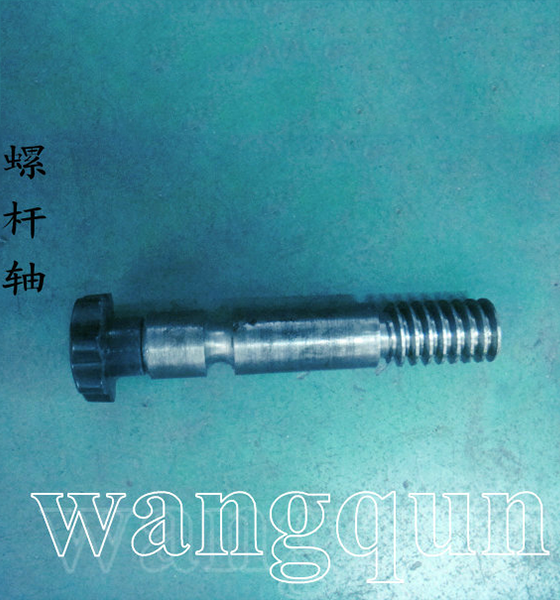
Rotary Tablet Press Accessories and Spare Parts: A Technical Guide for Pharmaceutical Manufacturers
Industry Background and Market Demand
The pharmaceutical and nutraceutical industries rely heavily on rotary tablet presses for high-volume production of solid dosage forms. As these machines operate under continuous mechanical stress, their efficiency depends on the quality and availability of accessories and spare parts. The global market for tablet press components is driven by increasing demand for generic drugs, stringent regulatory standards, and the need for minimizing downtime in production lines.
Manufacturers must maintain an inventory of critical spare parts to avoid costly disruptions. Common wear-and-tear components include punches, dies, feed frames, and compression rollers, each requiring precise engineering to meet pharmaceutical-grade specifications.
Core Concepts and Key Technologies
1. Punches and Dies
Punches and dies are the most critical components in tablet compression. They determine tablet shape, size, and weight consistency. Upper and lower punches work in tandem with the die to compress powder into tablets.
- Materials: Typically made from high-grade tool steel (e.g., D2, DC53) or tungsten carbide for extended durability.
- Coatings: Chromium nitride (CrN) or titanium nitride (TiN) coatings reduce friction and prolong lifespan.
2. Feed Frames
Feed frames ensure uniform powder distribution into dies. Advanced designs incorporate forced feeding mechanisms to handle challenging formulations, such as poorly flowing powders.
3. Compression Rollers
These rollers apply pressure to the punches during compression. Hardened steel or carbide rollers are preferred for high-load applications.
4. Turrets and Cam Tracks
The turret holds punches and rotates them through the compression cycle. Precision-machined cam tracks guide punch movement, ensuring smooth operation and minimizing deflection.
Product Structure, Materials, and Manufacturing Processes
Material Selection
- Tool Steel (D2, DC53): Offers a balance of hardness and toughness, suitable for standard tablet production.
- Tungsten Carbide: Used in high-abrasion environments, such as compression of abrasive APIs.
- Stainless Steel (316L): Required for parts in direct contact with sensitive formulations to prevent contamination.
Manufacturing Precision
- CNC Machining: Ensures tight tolerances (within ±0.005 mm) for punch and die dimensions.
- Heat Treatment: Increases hardness and wear resistance while maintaining structural integrity.
- Surface Finishing: Polishing and coating reduce sticking and improve tablet ejection.
Key Factors Affecting Quality and Performance
1. Dimensional Accuracy: Even minor deviations in punch length or die bore diameter can cause weight variation or capping.
2. Wear Resistance: Poor material selection leads to premature failure, increasing replacement frequency.
3. Lubrication and Maintenance: Proper lubrication of cam tracks and rollers prevents excessive wear.
4. Compatibility: Not all spare parts are interchangeable between press models; OEM specifications must be followed.
Supplier Selection and Supply Chain Considerations
When sourcing rotary tablet press accessories, manufacturers should evaluate:
- Certifications: ISO 9001, ISO 13485, or GMP compliance for pharmaceutical applications.
- Lead Times: Reliable suppliers maintain stock for critical components to minimize downtime.
- Customization Capabilities: Some formulations require modified punch shapes or specialized coatings.
- Technical Support: Suppliers should provide troubleshooting assistance and wear analysis.
Common Challenges and Industry Pain Points
1. Counterfeit Parts: Non-genuine components may fail prematurely, risking product quality and regulatory non-compliance.
2. Tooling Wear: Frequent replacement increases operational costs; predictive maintenance can mitigate this.
3. API Sticking: Poorly finished punches can lead to material adhesion, requiring additional anti-stick coatings.
4. Supply Chain Disruptions: Global shortages of high-grade steel can delay procurement.
Applications and Industry Use Cases
- Pharmaceuticals: High-speed production of coated and uncoated tablets.
- Nutraceuticals: Compression of vitamins and mineral supplements.
- Industrial Tablets: Detergent and chemical tablets requiring uniform hardness.
A leading generics manufacturer reduced tablet defects by 30% after switching to tungsten carbide dies for abrasive formulations, demonstrating the impact of material selection.
Current Trends and Future Developments
1. Smart Tooling: Sensors embedded in punches monitor wear in real-time, enabling predictive maintenance.
2. 3D-Printed Components: Additive manufacturing allows rapid prototyping of customized tooling.
3. Sustainable Materials: Research into eco-friendly coatings and recyclable tool steel is gaining traction.
4. Automated Inventory Systems: AI-driven platforms optimize spare parts inventory based on usage patterns.
FAQ Section
Q1: How often should punches and dies be replaced?
A: Lifespan varies by material and usage, but typically, tool steel components last 5–10 million compressions, while carbide versions exceed 50 million.
Q2: What causes tablet sticking?
A: Common causes include poor punch surface finish, inadequate lubrication, or hygroscopic API properties. Anti-stick coatings can help.
Q3: Are OEM parts always better than third-party alternatives?
A: OEM parts guarantee compatibility, but reputable third-party suppliers may offer cost-effective alternatives with equivalent quality.
Q4: How can I extend the life of my tablet press tooling?
A: Regular cleaning, proper storage, and using compatible lubricants reduce wear.
Conclusion
Selecting the right rotary tablet press accessories and spare parts is critical for maintaining production efficiency and compliance. By understanding material properties, manufacturing standards, and emerging technologies, pharmaceutical manufacturers can optimize their operations while minimizing downtime. As the industry evolves, advancements in smart tooling and sustainable materials will further enhance tablet compression processes.
حقوق الطبع والنشر © 2025 Changzhou Wangqun Pharmaceutical Machinery Co. ، Ltd. جميع الحقوق محفوظة.
خريطة الموقعيستخدم هذا الموقع ملفات تعريف الارتباط لضمان حصولك على أفضل تجربة على موقعنا.
 English
 Español
 Pусский
 Français



 هاتف
هاتف
تعليق
(0)